
Gujarat High Court orders family not to obstruct inter-caste couple after habeas corpus plea
The Gujarat high court allowed a 19-year-old woman to rejoin her husband in Surendranagar after her family filed an affidavit promising not to harass or interfere with the couple’s married life.
2 min read
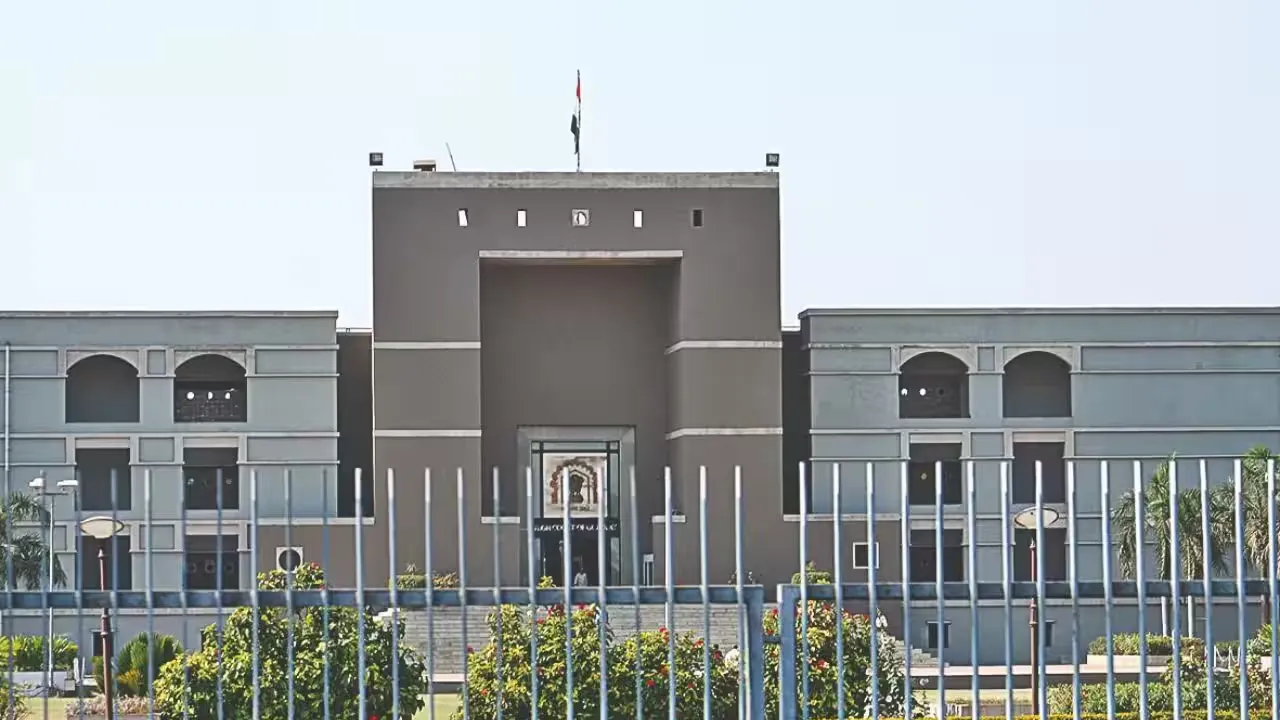
Who: A 19-year-old woman from Surendranagar district and her husband; What: Gujarat high court permitted the woman to reunite with her husband after obtaining an undertaking from her family; Where and when: Ahmedabad, on the court’s hearing following a habeas corpus petition filed after the couple’s private marriage on Sept 11.
The husband had approached the high court through advocate Darshan Vegad, saying he could not contact his wife after their private wedding on Sept 11. The woman told a division bench of justices Bhargav Karia and Hemant Prachchhak that she wished to live with her husband and feared her parents would prevent a peaceful marital life.
Court direction and the family’s affidavit
The bench directed the woman to be produced before it; following her statement, it allowed her to leave for her matrimonial home but sought protection against interference. The woman had identified her parents and two paternal uncles as respondents in the petition, saying she feared harassment from them.
In compliance, the family submitted an affidavit containing a formal undertaking. It states they will not "in any manner whatsoever, interfere with the matrimonial life of the corpus and the petitioner, nor shall we create any obstruction or hindrance in their marital relationship, so long as the corpus voluntarily chooses to reside with the petitioner."
"We further undertake that neither we nor any person acting at our instance or on our behalf shall harass, threaten, intimidate, coerce, pressurise or exercise any undue influence upon the corpus to compel her to return to her parental home or to act contrary to her own free will, wishes and consent."
The reports note the husband belongs to the Koli community and the woman to the Rajput community. The court’s order followed standard habeas corpus procedure in which the court examines whether a person is being unlawfully restrained and may secure their production before the bench.
Topics
- Gujarat
- High Court
- Habeas Corpus
- Inter-caste Marriage