
BreakingWorld & International
Mexico steps up cartel offensives as US intelligence aids high-profile arrests
President Claudia Sheinbaum’s government, with U.S. intelligence support, arrested alleged Sinaloa leader Fausto Isidro Meza Flores and has increased operations against cartels while rejecting permanent foreign agents on Mexican soil.
3 min read
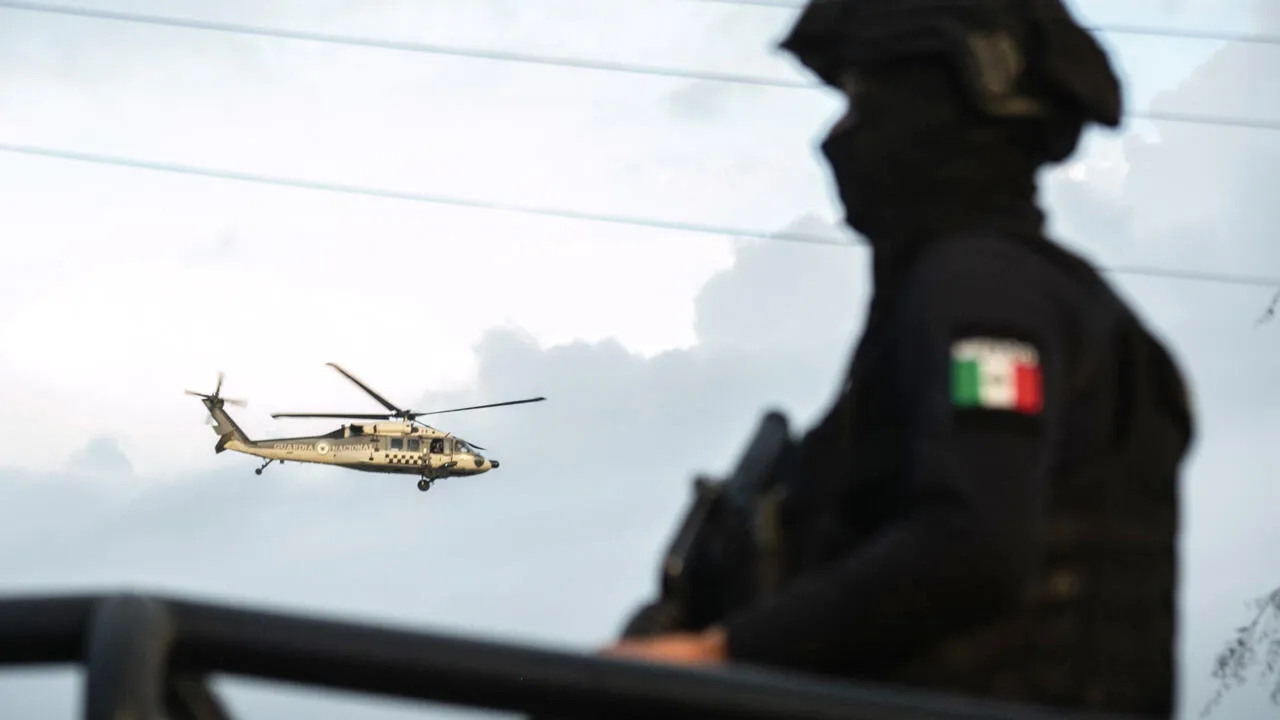
Who: President Claudia Sheinbaum’s administration and U.S. agencies. What: a string of intensified operations against Mexico’s major drug cartels, including the arrest of Fausto Isidro Meza Flores, alias “Chapo Isidro.” Where and when: security operations across Sinaloa and other states culminated in the arrest over the weekend and continued operations through 2026.
Sheinbaum’s security team, including Security Secretary Omar Garcia Harfuch, has increased military deployments and arrests of cartel figures and implicated municipal officials as part of Operation Swarm. Garcia Harfuch said cartels were able to act "with impunity because there were authorities who allowed themselves to be corrupted," according to reports.
The United States has provided intelligence and rewards tied to cartel targets. U.S. officials hailed several captures, and the U.S. offered rewards of up to $10 million for Iván Archivaldo and Jesús Alfredo Guzmán Salazar and $25 million for Juan Carlos González Valencia. U.S. Homeland Security Secretary Markwayne Mullin told Congress Mexican officials "have been very cooperative, way more cooperative than the last administration," while Secretary of State Marco Rubio said Mexico's actions were still insufficient.
The arrests and their effects
Fausto Isidro Meza Flores led a criminal group active in northern Sinaloa and parts of southern Mexico and had shifted alliances between factions within the Sinaloa Cartel, authorities said. His arrest was followed by violent reprisals in Sinaloa, including road blockages and shootouts; one operation night left 20 dead, described in reports as four soldiers and 16 alleged criminals.
The Sinaloa Cartel has fractured into rival factions since the 2024 arrest in the U.S. of Ismael “El Mayo” Zambada and preceding internal fights between "Los Chapitos" and "Los Mayos." That split has led to a sustained internal war in Sinaloa, prompting multiple military reinforcements; about 23% of troops were reported deployed in the state, and hundreds of people from both factions have been arrested, according to local sources.
By contrast, the Jalisco New Generation Cartel (CJNG) underwent a leadership transition after the Mexican army killed Nemesio Oseguera Cervantes, "El Mencho," and subsequent arrests of potential successors. Security analyst David Saucedo said CJNG’s pyramidal structure allowed it to continue despite pressure, and that arrests of regional leaders indirectly strengthened Juan Carlos González Valencia, who is now described as the cartel’s leader and carries a $25 million U.S. reward.
Mexico has accepted U.S. intelligence support, including permission for U.S. drones to operate to locate targets, but Sheinbaum has rejected proposals for foreign agents permanently operating on Mexican soil. Sheinbaum protested specific U.S. actions she described as interference, including the DEA opening a direct tip line for Sinaloa-related reports and prior presence of U.S. agents in an operation that became public only after an accident.
Officials and analysts note trade-offs: arrests and military operations have increased — arrests by the armed forces rose from 7,230 in 2023 to 18,138 in 2025, and annual deaths linked to army clashes rose from 210 per year under the previous administration to 321 in 2025 — but fragmentation of cartels can multiply violent actors, analysts warned.
"The Mexicans have done more than they've ever done before to go after these groups, but it is still not nearly enough," US Secretary of State Marco Rubio said in September.
"He knows the importance of sharing intelligence (and) targeting criminals," DEA chief Terry Cole said of Garcia Harfuch.
Topics
- Mexico
- Drug cartels
- US-Mexico relations
- Claudia Sheinbaum