
BreakingWorld & International
Greek authorities halt bypass work after discovery of 3,200‑year‑old Mycenaean beehive tomb in Euboea
Road construction near Psachna on the island of Euboea uncovered a 3,200‑year‑old Mycenaean tholos (beehive) tomb, the 126th such monument recorded in Greece and possibly among the 20 largest; archaeologists say further excavation is needed and authorities are weighing preservation options alongside the bypass project.
1 min read
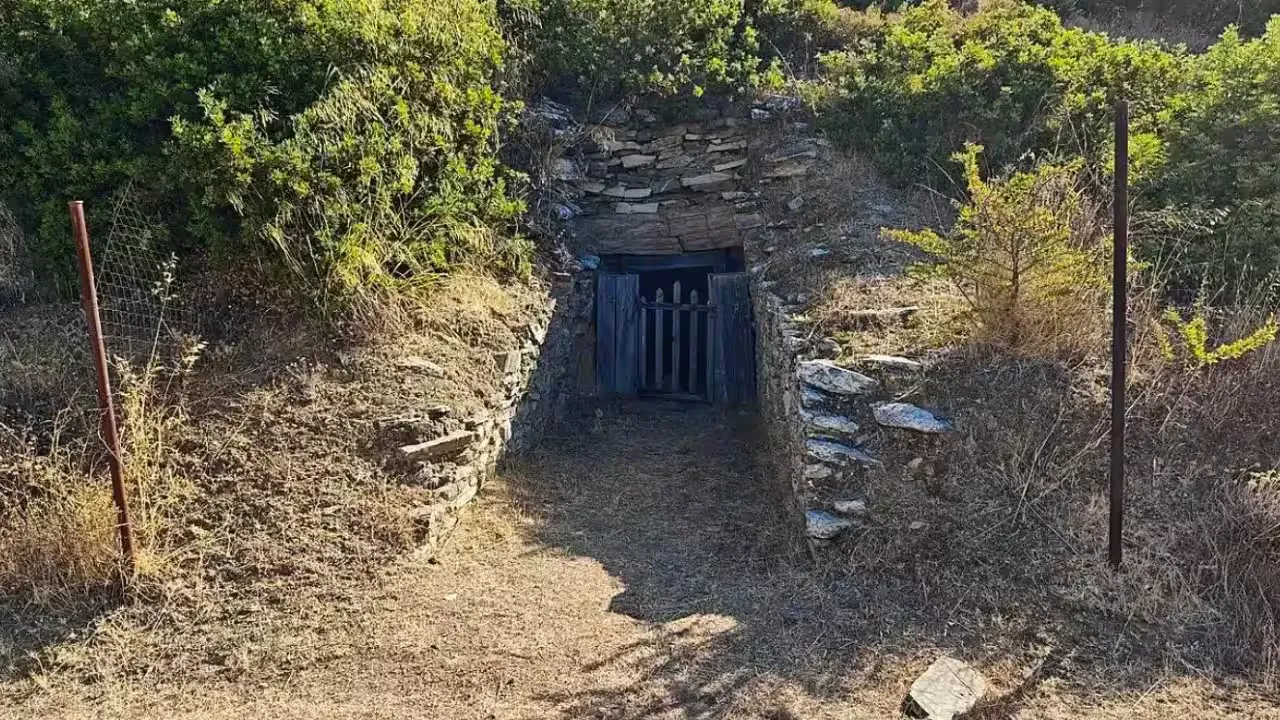
Construction workers on the Chalkida–Psachna bypass on the island of Euboea uncovered a Mycenaean beehive (tholos) tomb dating to more than 3,200 years ago, regional authorities reported on November 28, 2026. The tomb, found near Psachna during roadworks, is the 126th Mycenaean tholos identified in Greece and experts estimate it could rank among the 20 largest of its kind in the country.
Mycenaean tholos tombs are circular burial chambers with domed roofs reached by a long entrance passage called a dromos; building them required organised labour, specialised craftsmen and substantial resources. The initial archaeological assessment of the Psachna monument indicates the structure's scale suggests it may have been built for an individual of considerable social and political influence, though the identity of any buried person remains unknown pending further work.
Next steps and preservation
Archaeologists have not yet fully explored the burial chamber, and officials said additional excavation will be necessary to determine whether the tomb served a single prominent individual or an influential family over generations. Authorities are considering ways to preserve the monument without bringing the bypass project to a halt.
The discovery was made near Psachna, on the island of Euboea, during construction work on the Chalkida–Psachna bypass.
Researchers noted that the find could shed light on the social hierarchy and political organisation of Late Bronze Age Mycenaean communities on Euboea and the island's role in wider Aegean connections and trade, but said excavations must proceed to provide concrete evidence. For now, the discovery has generated fresh archaeological questions while officials weigh preservation measures alongside ongoing infrastructure plans.
Topics
- Greece
- Archaeology
- Mycenaean